
Coal mining in Dighipara, Dinajpur
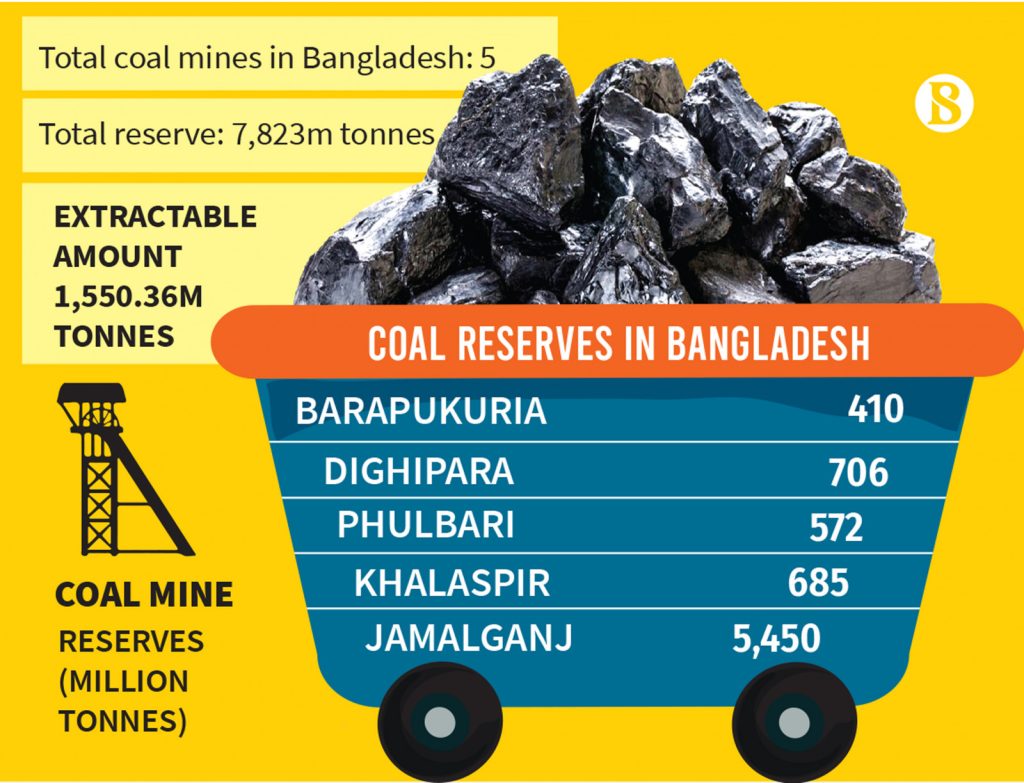
Govt plans to mine 90 million tonnes of coal at Dighipara The Business Standard, Featured article on 14th March, 2024 by Abul Kashem 33.6 million tonnes of coal is required every year in the country’s power plants The government plans to extract 90 million tonnes of coal in the next 30 years from the Dighipara coal mine in Dinajpur with a current market price of $16 billion (Tk1,67,904 crore). Experts say this would be the right step amid the country’s struggle with high energy prices and the quest for stable energy supply for domestic and industrial consumers. It is expected to take around eight years to begin coal extraction from the mine after the start of work. The mine is expected to have a reserve of 706 million tonnes, according to a feasibility study conducted by Barapukuria Coal Mining Company Limited. The plan was unveiled in a report presented by Petrobangla at a meeting on Bangladesh’s coal reserve on 11 February this year. State Minister for Power, Energy and Mineral Resources Nasrul Hamid was present at the meeting. Currently, Bangladesh is extracting coal only from the central part of the Barapukuria coal mine. As of last January, 14.24 million tonnes of coal have been extracted from this mine since 2005. Experts say with the gradual decline in the country’s fuel supply and the diminishing reserves of extractable gas in gas fields, it is highly logical to opt for coal extraction from new mines. At present, 3.6 million tonnes of coal worth about $6b is required every year in power plants in the country. Badrul Imam, energy specialist and a geology professor at Dhaka University, said, “The country needs coal supplies. With the inadequate amount of coal mined from Barapukuria, extracting coal from Dighipara could potentially meet the coal demand of coal-based power plants and save significant foreign currency.” He added, “There is a necessity for long-term coal supply for these power plants. Consequently, imports should be minimised by tapping into the country’s reserves.” According to Petrobangla, 20% of the country’s total reserves can be extracted from the country’s five coal mines. The remaining extractable coal reserves in the country are 1,550.36 million tonnes, equivalent to 39.69 TCF of natural gas. Currently, the remaining natural gas reserves in the country are 9.38 TCF. Costs and financing of extracting coal at Dighipara According to Petrobangla’s report, the capital expenditure for extracting coal from the Dighipara mine will be $1.644 billion. Additionally, the operating cost for extracting per tonne of coal will be $53, resulting in a total cost per tonne of coal extraction of $160. Petrobangla mentions developer-cum-operator investment, suppliers’ credit, joint ventures, foreign sources or government funding as possible financiers for extracting coal from the mine. A survey report on coal extraction from the Dighipara mine has been submitted to the power, energy and mineral resources ministry by the Chinese company CMC, which is presently engaged in coal extraction from the Barapukuria coal mine. The Chinese company has suggested forming a joint venture company if the project is deemed profitable upon reviewing the survey report. Multi-slice longwall method According to the Petrobangla report, the Dighipara coal mine area spans 11 square kilometres, with coal reserves discovered at depths ranging from 320 to 506 metres. The feasibility study for the mine was completed in 2020. In August 2022, UK-based consulting firm DMT Consulting Limited conducted a review of the feasibility study report and provided positive feedback, recommending the underground multi-slice longwall top coal caving mining method. In light of this recommendation, Petrobangla has submitted three alternative proposals to the Energy and Mineral Resources Division. They proposed undertaking rapid development activities for coal mining using the underground multi-slice longwall top coal caving mining method. Alternatively, they suggested conducting a feasibility study to determine whether the room and pillar with stowing method or underground coal gasification method could be employed while minimising ground subsidence. Energy specialist Badrul Imam said opting for an open-pit method in Dighipara would not be suitable. The multi-slice longwall or multi-layer underground approach will be perfect for it. Describing the multi-slice longwall method, he explained that this approach involves tunnelling to reach the coal layer underground. If the coal layer in the mine is 20 metres deep, the initial extraction begins with the top three metres. Subsequently, after leaving a three-metre gap, the lower three metres are extracted. Environmental impact According to the Petrobangla report, extracting coal from the Dighipara coal mine would necessitate the acquisition of 13.98 sq-km of agricultural land. The report calculates the value of paddy production on the land over the next hundred years at Tk6,009 crore. According to the report, around 11,110 people from 2,798 families will be needed to relocate for the coal mine. To rehabilitate the landless, housing arrangements can be made by constructing mining cities. Landowners affected by mining will be compensated according to government law, and there will be direct and indirect employment opportunities for local people. An environmental impact assessment and environmental management plan have been conducted for coal extraction from the mine. The report states that the maximum water flow in the mine can reach 20,000 cubic metres per hour, which will be controlled through the construction of cut-off walls or sealing walls. Citing examples of how mines are managed by building sealing walls to control water flow in various countries worldwide, the Petrobangla report mentions that Germany’s Lusatian Lignite open-cut mine, Jaenswalde open-cut mine, and Canada’s Diavik diamond mine have effectively controlled water flow through the construction of sealing walls. According to the report, the use of sealing walls will not adversely affect the water level outside the mine area, thereby avoiding any detrimental impact on the environment. The maximum water discharge from underground after the construction of a sealing wall is reported to be 2,516 cubic metres per hour. During a briefing on 16 January, Nasrul Hamid said instructions would be sought from the prime minister to extract coal as much as possible without damaging agricultural
দিনাজপুরের ইতিহাস
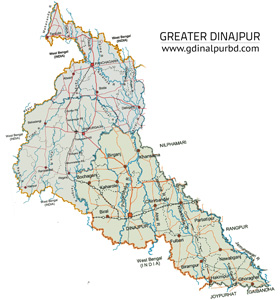
দিনাজপুরের ইতিহাস (প্রাচীনকাল থেকে ১৯৭১) ড. মাসুদুল হক প্রাচীন পুরাভূমি ‘পুণ্ড্রবর্ধন’ ও ‘বরেন্দ্রভূমি’র বৈশিষ্ট্যমণ্ডিত দিনাজপুর বাংলাদেশের উত্তর-পশ্চিমের সর্বশেষ জেলা। ১৯৪৭ সালে দেশ বিভাগের পূর্বে বৃহত্তর দিনাজপুর জেলার আয়তন ছিল ৩,৯৪৮ বর্গমাইল। ১৯৮৪ সালে নতুন প্রশাসনিক বিন্যাসের ফলে দিনাজপুর অঞ্চল তিনটি জেলায় রূপান্তরিত হয়: দিনাজপুর, ঠাকুরগাঁও ও পঞ্চগড়। অখণ্ড এই জেলার বর্তমান জনসংখ্যা ৪০ লক্ষের অধিক। ভূ-গঠন অনুযায়ী দিনাজপুর জেলার ভূ-প্রকৃতিকে তিন ভাগে বিভক্ত করা হয়েছে: ১) হিমালয় পাদদেশের পলি অঞ্চল; ২) তিস্তা প্লাবিত পলি অঞ্চল এবং ৩) বরেন্দ্র অঞ্চল। বৃহত্তর দিনাজপুর জেলার ভূমি সাধারণভাবে সমতল। সবচেয়ে উঁচু ভূমি ‘তেঁতুলিয়া’ সমুদ্রপৃষ্ঠ থেকে ৯৭ মিটার উঁচু। এটি উত্তরবঙ্গের সর্বাধিক উচ্চতা। জেলার প্রধান নদী আত্রাই, ঢেপা, পুনর্ভবা, করতোয়া, টাঙ্গন, নাগর। দিনাজপুর জেলার জনগোষ্ঠীর মধ্যে রয়েছে আদি-অস্ট্রালয়েড, ভেড্ড্ডি, মঙ্গোলীয়, আর্য এবং সেমেটিক নৃ-জাতিক গোষ্ঠীর মানুষ। এ জেলার কয়েকটি উল্লেখযোগ্য নৃ-গোষ্ঠী সাঁওতাল, ওরাওঁ, মুণ্ডা, মাহালী, মুষহর, মালপাহাড়ী, পলিয়া, কোচ, রাজবংশী প্রভৃতি। আর্য-হিন্দু ও উপশাখার মধ্যে রয়েছে ব্রাহ্মণ, ক্ষত্রীয়, বৈশ্য, শূদ্র, কৈবর্ত, কায়স্থ, তাঁতি, কামার-কুমার প্রভৃতি এবং সেমেটিক গোষ্ঠী ও ধর্মান্তরিত মুসলমানদের মধ্যে রয়েছে সৈয়দ, শেখ, পাঠান, নস্য, শাহ্ প্রভৃতি। হিন্দু সমাজে বিদ্যমান এক সময়কার বর্ণভেদ প্রথা বর্তমানে ততটা প্রকট নয়। মুসলমানদের মধ্যে কিছু কিছু বহিরাগত থাকলেও বিপুল সংখ্যক মুসলিম জনগোষ্ঠী রাজবংশী, কোচ ও নিম্নশ্রেণীর হিন্দু সমাজ থেকে ধর্মান্তরিত। রাজবংশী, কোচ ও পলিয়া জনগোষ্ঠীর স্বতন্ত্র পরিচয় এককালে বিদ্যমান থাকলেও তারা এখন হিন্দুধর্মে আত্তীকৃত হয়েছে এবং নিজেদের পরিচয় দেয় রাজবংশী হিসেবে। এ জেলায় কিছু সংখ্যক বৈষ্ণব ধর্মাবলম্বীর সাক্ষাৎ মেলে। ধর্মাচরণে আদিবাসী ও নিম্নশ্রেণীর হিন্দু মতাবলম্বী সর্বপ্রাণবাদ দ্বারা ব্যাপকভাবে প্রভাবিত। মুসলিম সমপ্রদায় হিন্দুধর্মের বহু লৌকিক আচার পালন করে। জেলার মধ্যাঞ্চলে হিন্দু ধর্মাবলম্বীদের এবং অন্যত্র মুসলিম অধিবাসীদের প্রভাব লক্ষ্য করা যায়। সামাজিক প্রথা মুসলিম, হিন্দু ও আদিবাসী ভেদে স্বতন্ত্র। তবে নবান্ন, লোকসঙ্গীত-লোকনাট্য প্রভৃতি সাংস্কৃতিক চর্চা পরিবেশনায় ধর্মীয় ব্যবধান পরিলক্ষিত হয় না। এ ক্ষেত্রে সর্বধর্ম সমন্বয়ের প্রয়াস লক্ষণীয়। দিনাজপুর জেলার জনগোষ্ঠীর মূল পেশা কৃষি। ব্যবসা ও শিল্পোদ্যোগ তেমন একটা দেখা যায় না। শিক্ষার হার পঞ্চাশ শতাংশের মতো। দিনাজপুরের নামকরণের ব্যাপারে সঠিক তথ্য পাওয়া যায় না। তবে বুকানন হ্যামিলটনের মতে, গৌড়ের সিংহাসনে অনধিকার প্রবেশকারী ‘দিনওয়াজ’ বা ‘রাজা গনেশে’র সঙ্গে এই অঞ্চলের সম্পৃক্ততার সূত্রেই জেলার এ নামকরণ। দিনাজপুর জেলা খ্রিস্টপূর্ব ৪র্থ শতকে মৌর্য শাসনাধীন ছিল। কয়েকজন চৈনিক তীর্থযাত্রী পুণ্ড্রবর্ধন ভ্রমণের সময় বিভিন্ন স্থানে অশোক-স্তম্ভ দেখতে পান। বিশেষত মহাস্থানগড়ে পুরাকালের ব্রাহ্মী অক্ষরে উৎকীর্ণ লিপি আবিষ্কারের ফলে প্রমাণিত হয় যে, এ অঞ্চল মৌর্য শাসনাধীন ছিল। খ্রিস্টীয় তৃতীয় শতক থেকে ৫৪৪ খ্রিস্টাব্দ পর্যন্ত এই অঞ্চল গুপ্ত সাম্রাজ্যের অধীন ছিল বলে ঐতিহাসিক প্রমাণ মেলে। জেলার ফুলবাড়ি উপজেলার দামোদরপুর গ্রামে প্রাপ্ত পাঁচটি এবং হাকিমপুর উপজেলার বৈগ্রামে প্রাপ্ত একটি তাম্রলিপির মধ্যে দু’টি ছিল প্রথম কুমারগুপ্তের, দু’টি বুধগুপ্তের এবং অপরটি ভানুগুপ্তের শাসনামলের। খ্রিস্টীয় ৭৫৬ থেকে ১১৬২ খ্রিস্টাব্দ পর্যন্ত এ জেলায় পাল বংশের শাসন লক্ষ্য করা যায়। কবি সন্ধ্যাকর নন্দীর ‘রাম চরিতম’ কাব্যগ্রন্থই পাল রাজাদের রাজনৈতিক অধ্যায় ও বরেন্দ্রী সম্বন্ধে অবগত হওয়ার প্রধান উৎস। এ গ্রন্থের কবি প্রশস্তিতে বলা হয়েছে যে, বরেন্দ্রী দেশ ছিল গঙ্গা ও করতোয়া মধ্যবর্তী অঞ্চলে। এই করতোয়া সপ্তম ও অস্টম শতাব্দীতে বরেন্দ্রীর পূর্বদিক ঘিরে প্রাচীন পুণ্ড্রবর্ধনের পূর্ব সীমা দিয়ে প্রবাহিত হয়েছিল। এই অঞ্চলে পাল রাজারা প্রায় চারশো বছর রাজত্ব করেন। খ্রিস্টীয় দ্বাদশ শতকে সেন বংশীয় নৃপতিদের অভ্যুদয়ের ফলে পাল রাজত্বের অবসান ঘটে। এই প্রেক্ষাপটে দ্বাদশ শতাব্দীর মধ্যভাগ থেকে ১২০৪ খ্রিস্টাব্দ পর্যন্ত এই অঞ্চলে সেন রাজত্বকাল। সেন রাজবংশের শেষ উল্লেখযোগ্য রাজা ছিলেন লক্ষণ সেন। তিনি বৃদ্ধ বয়সে সিংহাসনে আরোহন করেন এবং তার রাজত্বের শেষের দিকে বিশৃঙ্খলা দেখা দেয় এবং পতনের লক্ষণ সুস্পষ্ট হয়ে উঠে। ১২০৪ খ্রিস্টাব্দে ইখতিয়ার উদ্দিন মোহাম্মদ বিন বখতিয়ার খিলজী অতর্কিতে নওদীও [নদীয়া] আক্রমণ করেন। লক্ষণ সেন পূর্ব বাংলায় পালিয়ে গেলে বখতিয়ার নওদীও শহর অধিকার করেন। ১২০৪ থেকে ১২০৬ খ্রিস্টাব্দের মধ্যবর্তী সময়ে তিনি দিনাজপুর জেলাসহ লখনৌতি রাজ্যের বিস্তৃত অঞ্চল জয় করেন। লখনৌতি রাজ্য বিজয়ের পর তিনি প্রথমে লখনৌতিতে রাজধানী স্থাপন করেন এবং পরে দিনাজপুরের দেবকোটে [কোটিবর্ষ/বাণগড়] দ্বিতীয় রাজধানী স্থাপন করেন। বখতিয়ার নবপ্রতিষ্ঠিত রাজ্যের সুশাসনের জন্যে রাজ্যকে কয়েকটি ভাগে বিভক্ত করেন এবং প্রত্যেক ভাগে একজন সেনাপতি নিযুক্ত করেন। তিনি নবপ্রতিষ্ঠিত রাজ্যে মসজিদ, খানকাহ্ ও মাদ্রাসা স্থাপন করেন। মধ্যযুগীয় বাংলার যুগ সূচনাকারী ছিলেন বখতিয়ার খিলজী। ১২০৬ খ্রিস্টাব্দে দেবকোট শহর থেকে তিনি তার বিখ্যাত তিব্বত অভিযান শুরু করেন। এই অভিযান ব্যর্থ হলে বখতিয়ার খিলজী আবার দেবকোট ফিরে আসেন এবং সেখানেই তাঁর মৃত্যু হয় (১২০৬)। তাঁর মৃত্যুর পর মোহাম্মদ শিরান খিলজী এবং আলী মর্দান খিলজী, এ দুই শাসনকর্তা দেবকোটেই রাজত্ব করেন। পরবর্তী শাসনকর্তা সুলতান গিয়াস-উদ-দীন-ই-ওয়াজ খিলজীর শাসনকালের (১২১২-১২২৭) প্রথমদিকেও দেবকোটই ছিল তাঁর রাজধানী এবং পরে তিনি রাজধানী লখনৌতিতে স্থানান্তরিত করেন। বাংলায় ১২০৪ খ্রিস্টাব্দে প্রথম মুসলমান আধিপত্যের সূচনাকাল থেকে শুরু করে সুলতান গিয়াস-উদ-দীন-মাহমুদ শাহ্-র রাজত্ব সময় (১৫৩৩-১৫৩৮) পর্যন্ত এই সুদীর্ঘ কালকে বাংলার রাজনৈতিক ও প্রশাসনিক ইতিহাসে ‘সুলতানি আমল’ বলে চিহ্নিত করা হয়। এই সুদীর্ঘ সময়ে দিনাজপুর অঞ্চলের অধীনে দেবকোট যে মুসলমান আমলে একটি উল্লেখযোগ্য জনপদ ছিল তা সেখানকার আবিষ্কৃত বিভিন্ন শিলালেখ ও ধ্বংসাবশেষ থেকে প্রমাণিত হয়েছে। ১৫৩৮ থেকে ১৫৭৬ খ্রিস্টাব্দে আকবরের বাংলা জয় পর্যন্ত আটত্রিশ বৎসর বাংলা শাসনের ইতিহাসে আফগান বা পাঠান শাসনামল বলে পরিচিত। বাংলায় আফগান শাসনের প্রতিষ্ঠাতা ছিলেন শের খান সূর। শের খান সূরের নেতৃত্বে আফগান শক্তির পুনরুত্থানের চাপে বাংলায় হুসেন শাহী শাসনের এবং দীর্ঘ দু’শত বর্ষব্যাপী স্বাধীন সুলতানি’র অবসান ঘটে। শেরশাহের পুত্র ও উত্তরাধিকারী ইসলাম শাহের রাজত্বকালে (১৫৪৫-১৫৫৩) দিনাজপুর জেলাসহ বাংলা দিল্লীর অধীনে ছিল। ইসলাম শাহ সেই সময় শামসউদ্দীন মোহাম্মদ সূরকে বাংলার প্রশাসক নিযুক্ত করেন। ১৫৫৩ খ্রিস্টাব্দে শামসউদ্দীন মোহাম্মদ সূর দিল্লীর সঙ্গে সম্পর্ক ছিন্ন করে শামসউদ্দীন শাহ গাজী উপাধি ধারণ করেন। এরপর সূর সেনাপতি হিমু কর্তৃক ১৫৫৫ খ্রিস্টাব্দে শামসউদ্দীন ‘কালপী’ নামক স্থানে পরাজিত ও নিহত হন। এসময় একটি ভাটির জমিদার ঈসা খান ও সোলায়মান কররানী বিদ্রোহ ঘোষণা করেন। সেই বিদ্রোহের সময় দিল্লীর সুলতান ইসলাম শাহ সূর ১৫৫৩ খ্রিস্টাব্দের ৩০শে অক্টোবর পরলোক গমন করেন। তার মৃত্যুর পর সূর সাম্রাজ্যের পতন শুরু হয়। ১৫৬৪-১৫৭২ খ্রিস্টাব্দ পর্যন্ত দিনাজপুরসহ বাংলা রাজত্ব করেন কররানী বংশ। ১৫৭২ থেকে ১৫৭৫ খ্রিস্টাব্দের মধ্যবর্তীকালে কররানী বংশের শেষ শাসক দাউদ খান কররানী এবং মুঘল সেনাধ্যক্ষ মুনিম খানের মধ্যে ভয়াবহ যুদ্ধ সংঘটিত হয়। এ যুদ্ধে দাউদ খান কররানী পরাজিত হয়। দাউদ খান কররানীর বিরুদ্ধে যুদ্ধে সাফল্যের জন্য মুনিম খান ১৫৭৪ খ্রিস্টাব্দে সম্রাট আকবরের নিকট থেকে ‘খান-ই-খানান’ উপাধি অর্জন করেন। এবং এর মধ্য দিয়েই দিনাজপুরসহ বাংলার অধিকাংশ অঞ্চল মুঘল শাসনের অন্তর্ভুক্ত হয়। মুঘল সম্রাট আকবরের আমলে (১৫৫৬-১৬০৫) সমগ্র মুঘল সাম্রাজ্য কয়েকটি ‘সুবা’য় বিভক্ত ছিল। ‘সুবা-ই-বাংলা’ ছিল তারমধ্যে অন্যতম। ‘সুবা-ই-বাংলা’ তখন ১৯টি সরকার নিয়ে গঠিত। তারমধ্যে তাজপুর, ঘোড়াঘাট, পাঞ্জরা, বারবকাবাদ ও জন্নতাবাদ (কিছু অংশ), এই পাঁচটি সরকার ছিল বর্তমান দিনাজপুর জেলার অন্তর্গত। জন্নতাবাদ সরকারের অংশবিশেষ ভারতের গঙ্গারামপুর ও বংশীহারীর অধীনে ছিল। বর্তমান দিনাজপুর জেলার উত্তরাঞ্চল নিয়ে সরকার পাঞ্জরা, পশ্চিমাঞ্চল
বন্ধ চিনিকল আধুনিকায়নে অর্থায়নে আগ্রহী জাপানী প্রতিষ্ঠান
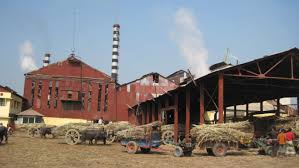
সরকারি–বেসরকারি অংশীদারত্ব ও উন্নত প্রযুক্তির মাধ্যমে দেশের বন্ধ ছয় চিনিকলকে আধুনিক ও লাভজনক করার উদ্যোগ নিয়েছে সরকার। ২০২০ সালের ডিসেম্বরে পরিচালন অদক্ষতার কথা বলে তৎকালীন আওয়ামী লীগ সরকার এগুলো বন্ধ করে দেয়। শিল্প মন্ত্রণালয় সূত্রে জানা গেছে—বাংলাদেশ চিনি ও খাদ্য শিল্প করপোরেশন (বিএসএফআইসি) এসব কারখানা আধুনিকায়ন করতে আন্তর্জাতিক প্রতিষ্ঠানগুলোর সঙ্গে আলোচনা করছে। এটি জাপান ব্যাংক ফর ইন্টারন্যাশনাল কো-অপারেশন (জেবিআইসি) ও এক্সপোর্ট-ইমপোর্ট ব্যাংক অব থাইল্যান্ডের (এক্সিম) যৌথ উদ্যোগ ও সম্ভাব্য অর্থায়নের প্রস্তাব সামনে নিয়ে আসে। বেশিরভাগ অর্থ দেবে জেবিআইসি। গত ১৬ মার্চ শিল্প মন্ত্রণালয় এ উদ্যোগের বিষয়ে বাংলাদেশ বিনিয়োগ উন্নয়ন কর্তৃপক্ষের (বিডা) মতামত জানতে চায়। কারণ এতে বেসরকারি ও বিদেশি বিনিয়োগ থাকবে। গত বছরের জুলাইয়ে রাষ্ট্রায়ত্ত চিনিকলগুলোর আধুনিকায়নে বিএসএফআইসি ও বিতর্কিত এস আলম গ্রুপের মধ্যে সমঝোতা স্মারক সই হওয়ার কথা জানানো হয়। কিন্তু গত বছরের আগস্টে আওয়ামী লীগ সরকারের পতন ও এস আলম গ্রুপের আর্থিক কেলেঙ্কারি প্রকাশিত হলে অন্তর্বর্তী সরকার ওই চুক্তি থেকে সরে আসে। গত মাসে আরব আমিরাতভিত্তিক শারকারা ইন্টারন্যাশনাল (এফজেডসি), থাইল্যান্ডের সুটেক ইঞ্জিনিয়ারিং কোম্পানি লিমিটেড ও জাপানের মারুবেনি প্রোটেকস করপোরেশন চিনি কলগুলো ঢেলে সাজাতে যৌথ উদ্যোগে আগ্রহ দেখিয়ে শিল্প মন্ত্রণালয়ে প্রস্তাব জমা দেয়। বাংলাদেশে বিদ্যুৎ-সাশ্রয়ী, প্রযুক্তিনির্ভর ও পরিবেশবান্ধব ইক্ষু ও রপ্তানিমুখী মদ তৈরিতে বিএসএফআইসি ২০১৯ সালের অক্টোবরে এই তিন প্রতিষ্ঠানের সঙ্গে সমঝোতা স্মারক সই করে। কিন্তু এরপর থেকে প্রস্তাবটি প্রধানমন্ত্রীর কার্যালয়ে আটকে আছে। শিল্প মন্ত্রণালয়ের এক কর্মকর্তা নাম প্রকাশ না করার শর্তে ডেইলি স্টারকে বলেছেন, সর্বশেষ প্রস্তাবটি বন্ধ হয়ে যাওয়া চিনিকলগুলোকে আধুনিক ও লাভজনক করতে উপযুক্ত বলে মনে হচ্ছে। ‘এ ধরনের বিনিয়োগে তাদের মতামত বাধ্যতামূলক হওয়ায় আমরা ইতোমধ্যে বিডাকে চিঠি দিয়েছি। এই খাতকে আবারও লাভজনক করা সম্ভব। তবে এর জন্য প্রযুক্তি ও ব্যবস্থাপনা সংক্রান্ত উন্নতির প্রয়োজন।’ বিডার নির্বাহী চেয়ারম্যান আশিক চৌধুরী ডেইলি স্টারকে বলেন, ‘ব্যবসা করা সরকারের কাজ নয়। প্রতিযোগিতা ও দক্ষতা বাড়াতে লোকসানে থাকা কারখানাগুলোকে বেসরকারি খাতে দেওয়া উচিত।’ তিনি মনে করেন, সরকারি চিনিকলগুলোকে বেসরকারি খাতে ছেড়ে দেওয়া হলে অদক্ষতার কারণে যে লোকসান হয় তা বন্ধ হবে। এ ধরনের কারখানা দক্ষতার সঙ্গে পরিচালনার জন্য বেসরকারি খাত অনেক বেশি সক্ষম। শিল্প মন্ত্রণালয় থেকে বিডাকে দেওয়া চিঠিতে বলা হয়েছে, প্রস্তাবিত প্রকল্পে বন্ধ ছয় চিনিকল সম্পূর্ণ সরকারি মালিকানা বা বিএসএফআইসি ও বেসরকারি বিনিয়োগকারীদের যৌথ উদ্যোগে পুনরুজ্জীবিত করা হবে। জেবিআইসি ও এক্সিম ব্যাংক বিদেশ থেকে যন্ত্রপাতি ও নকশা কিনতে ঋণ দেবে। বাংলাদেশ সরকার স্থানীয় নির্মাণ ও অবকাঠামো খাতে অর্থায়ন করবে। প্রস্তাবের আওতায় শারকারা, সুটেক ও মারুবেনি চিনিকলগুলোর প্রযুক্তিগত দক্ষতা, আধুনিক যন্ত্রপাতি ও ব্যবস্থাপনায় কাজ করবে। নাম প্রকাশ না করার শর্তে বিনিয়োগকারীদের এক প্রতিনিধি ডেইলি স্টারকে বলেন, ‘চিনিকলগুলো পুনরুজ্জীবিত করা হলে আখ চাষিরা লাভবান হবেন।’ ‘চিনিকলগুলো পুনরুজ্জীবন করা হলে শুধু কর্মসংস্থানই সৃষ্টি করবে না, আখ চাষের ওপর নির্ভর করা হাজার হাজার কৃষক উপকৃত হবেন।’ শিল্প মন্ত্রণালয় সূত্র জানায়, সরকার বর্তমানে অংশীদারিত্ব ও অর্থায়ন চুক্তির কাঠামো চূড়ান্ত করতে আন্তর্জাতিক কনসোর্টিয়ামের প্রস্তাব পর্যালোচনা করছে। বিডা প্রকল্পের বিনিয়োগের সম্ভাবনা ও নিয়ন্ত্রক দিকগুলো মূল্যায়ন করছে। বিএসএফআইসির সচিব মোহাম্মদ মুজিবুর রহমান ডেইলি স্টারকে বলেন, ‘এই উদ্যোগের সর্বশেষ তথ্য তার জানা নেই। চিনি শিল্পকে টেকসই ও প্রতিযোগিতামূলক করা হলে সবাই উপকৃত হবেন।’ ‘সফলভাবে বাস্তবায়িত হলে এ প্রকল্প দেশের চিনিকলগুলোকে আরও দক্ষ, প্রতিযোগিতামূলক ও লাভজনক করে নতুন যুগের সূচনা করতে পারে।’ দেশের চিনি শিল্প দীর্ঘদিন ধরে মেয়াদোত্তীর্ণ যন্ত্রপাতি, স্থানীয়ভাবে উৎপাদিত চিনির চাহিদা কম ও আর্থিক ক্ষতির মতো সংকটে আছে। ফলে ১৫ চিনিকলের তত্ত্বাবধানে থাকা বিএসএফআইসি ঋণে জর্জরিত। প্রকল্পটি কর্মসংস্থান সৃষ্টি ও আমদানি করা চিনির ওপর নির্ভরতা কমানোসহ বেশ কয়েকটি অর্থনৈতিক সুবিধা পাওয়া যাবে বলে আশা করা হচ্ছে। তবে বিশেষজ্ঞরা বলছেন, আধুনিকায়নের উদ্যোগ না নিলে বাকি নয় চিনিকলও লোকসানে পড়বে। জাগরণ চাকমা শনিবার মার্চ ২২, ২০২৫ ০১:২৮ পূর্বাহ্নসর্বশেষ আপডেট: শনিবার মার্চ ২২, ২০২৫ ০৭:০২ অপরাহ্ন
রক্ষণাবেক্ষণের অভাবে পচে যাচ্ছে উত্তরাঞ্চলের শত শত টন আলু

রক্ষণাবেক্ষণের অভাবে পচে যাচ্ছে উত্তরাঞ্চলের শত শত টন আলু আমার দেশ, ০৯।০২।২০১১ জিএম হিরু, দিনাজপুর গত আলু মৌসুমে বিদ্যুতের ঘাটতি থাকায় হিমাগারে শত শত টন আলু ও আলুবীজ পচে নষ্ট হয়েছিল। সে ক্ষতি পুষিয়ে নেয়ার জন্যই দিনাজপুরের প্রান্তিক আলু চাষীরা এবার নতুন উদ্যমে আলু চাষে ঝুঁকে পড়েছিলেন। চলতি মৌসুমে আলুর বাম্পার ফলন হয়েছে। এরই মধ্যে হাটবাজারগুলো নতুন আলুতে সয়লাব হয়ে গেছে। পাশাপাশি আলুর বাজার দরে ধস নেমেছে।প্রতি বছর আলু উত্পাদন মৌসুমে বৃহত্তর দিনাজপুরসহ উত্তরাঞ্চলে পর্যাপ্ত হিমাগার না থাকায় রক্ষণাবেক্ষণের অভাবে হাজার হাজার টন আলু পচে যাচ্ছে। এতে এ অঞ্চলের প্রান্তিক কৃষকরা সর্বস্বান্ত হয়ে পথে বসেছেন। চলতি আলু মৌসুমে বাজারে প্রচুর নতুন আলু ওঠায় আলুর বাজারে ধস নেমেছে। গ্রামগঞ্জ ও হাটবাজারগুলোতে খুচরা হিসেবে প্রতি কেজি আলু প্রকারভেদে ৪-৫ টাকা কেজি দরে বিক্রি হচ্ছে। এতে কৃষকরা পুঁজি হারানোর ভয়ে আতঙ্কিত হয়ে পড়েছেন।আলু চাষ করে এ জেলার প্রান্তিক চাষীরা যে লভ্যাংশ পান তা সাংসারিক কাজে ব্যয় করে মূলধন দিয়ে পরে একই আবাদি জমিতে গম চাষ করেন। কিন্তু সরকার আলুর মূল্য নির্ধারণ করে না দেয়ায় আলু উত্পাদন মৌসুমে বাজারে আলুর দাম ব্যাপকভাবে হ্রাস পায়, এতে প্রান্তিক কৃষকরা ক্ষতিগ্রস্ত হন। এদিকে আলু কোল্ড স্টোরেজ করার জন্য পর্যাপ্ত হিমাগার না থাকায় বা আলু যাতে পচে না যায়, সে ব্যাপারে কৃষকদের সম্মুখ জ্ঞান না থাকায় উত্পাদিত আলুর প্রায় এক-তৃতীয়াংশ পচে নষ্ট হয়ে যায়। এর ফলে কৃষকরা তার মূলধন খুইয়ে ফেলেন। এছাড়াও আলু চাষের সময় চড়া মূল্যে কৃষকদের বীজ কিনতে হয়। এ ব্যাপারে অভিজ্ঞ মহল মনে কওে, সরকারের উচিত বড় বড় হিমাগার নির্মাণ করে বিদ্যুত্ ব্যবস্থা নিশ্চিত করা, পাশাপাশি কৃষকদের আলু ও আলুবীজ সংরক্ষণের বিশেষ প্রশিক্ষণের সুযোগ করে দেয়া ।দিনাজপুর কৃষি সম্প্রসারণ অধিদফতরের উপ-পরিচালক মো. সিকান্দার আলী জানান, চলতি মৌসুমে ৩৬ হাজার ৯৯২ হেক্টর জমিতে আলু উত্পাদনের লক্ষ্যমাত্রা নির্ধারণ করা হলেও কৃষকরা এবার অতিরিক্ত ৩ হাজার ৮ হেক্টর জমিতে আলু চাষ করায় মোট ৪০ হাজার হেক্টর জমিতে আলু চাষ করা হয়েছে। কৃষকরা কৃষি সম্প্রসারণ অধিদফতরের কর্মকর্তাদের পরামর্শ অনুযায়ী সার ও কীটনাশক প্রয়োগ করায় আলুর বাম্পার ফলন সম্ভব হয়েছে। আলুর বাম্পার ফলন হওয়ার কারণ হিসেবে তিনি জানান, এবারে বীজ, সার ও কীটনাশক সহজলভ্য হওয়ায় কৃষকরা অতি উত্সাহী হয়ে অতিরিক্ত জমিতে আলু চাষ করেছেন। এদিকে দিনাজপুরের বিভিন্ন হিমাগারের স্বত্বাধিকারীরা জানান, গত বছর বিদ্যুতের পর্যাপ্ত পরিমাণ ব্যবস্থা না থাকায় প্রচুর পরিমাণ আলু পচে গিয়েছিল। কিন্তু বর্তমানে সেদিকে লক্ষ্য রেখে নিজস্ব বিদ্যুত্ ব্যবস্থার পর্যাপ্ত উদ্যোগ নেয়া হয়েছে। এছাড়াও প্রান্তিক আলু চাষীরা পোকা, কুয়াশা ও বিভিন্ন রোগবালাই থেকে আলুর ক্ষেতকে রক্ষা করতে নানা কৌশল অবলম্বন করেছেন। বিশেষ করে কুয়াশা ও পোকার তীব্র আক্রমণ থেকে আলুক্ষেত রক্ষার জন্য কোনো কোনো এলাকায় একরের পর একর আলুর জমিতে ন্যাটিং পদ্ধতি অনুসরণ করা হয়েছে।উত্তরাঞ্চলে ধানের পরই যে পরিমাণ আলু প্রতিবছর উত্পাদন হয়, তা এ অঞ্চলের খাদ্যচাহিদা মিটিয়ে দেশের বিভিন্ন এলাকাসহ বিদেশেও রফতানি করে বৈদেশিক মুদ্রা অর্জন করা সম্ভব। বর্তমানে আলু দিয়ে দেশে-বিদেশে নানা প্রকার ফাস্টফুড তৈরি করা হচ্ছে। এ কারণে আলুর চাহিদা রয়েছে, কিন্তু সংরক্ষণের ব্যবস্থা না থাকায় প্রান্তিক আলুচাষীরা তো ক্ষতিগ্রস্ত হচ্ছেনই, সরকারও বৈদেশিক মুদ্রা অর্জনে ব্যর্থ হচ্ছে। https://www.amardeshonline.com/pages/details/2011/02/09/67379
Panchagarh expected to produce 1.2 million kg tea this year
Panchagarh expected to produce 1.2 million kg tea this yearCourtesy The Financial Express RANGPUR, May 8, 2011 (BSS): About 1.2 million kgs of tea are expected to be produced in the gardens in Panchagarh this year where small-scale tea farming is on the rise. Small-scale tea farming got further boost after Panchagarh district administration, Bangladesh Tea Board (BTB) and the entrepreneurs (tea companies) jointly raised the procurement price of green leaves to Tk 18.50 per kg from Tk 16 this season. According to the officials, tea farming and its production has been increasing every year in Panchagarh since April, 2000 following the directives of the then and also the present Prime Minister Sheikh Hasina. An official of Panchagarh Regional Office of BTB Amir Hossain said 8,80,000 kgs of tea were produced in 2010 and 58,724 kgs in 2009. This year the production might cross 1.2 million kgs. Tea farming expanded faster in Panchagarh following various government steps and now, tea is growing on about 2,400 acres land distributed in 261 small gardens, 15 medium size gardens and eight big estates. Small-scale tea growers are likely to bring another 400 acres of land under plantation this year and the district administration plans to allow private sector cultivation on the khas lands. Director of Bangladesh Tea Research Institute Mukul Jyoti Dutta said that 3 to 4 year-old plants in Panchagarh are producing the best quality tea. “The average tea yield rate stands between 3,500 kgs and 4,000 kgs per hectare in Panchagarh and between 500 to 2,500 kgs in Sylhet and Chittagong zones when the national average yield rate stands at 1,200 kgs per hectare now,” he said. Due to increase in tea consumption at home and static annual production of 58 to 60 million kgs of tea, the export of the item is on the decline and country exported 3.15 million kgs of tea in 2009 and less than one million kgs in 2010, he added. The government has taken steps for increasing tea production by expanding its cultivation to other districts, Nilphamari, Lalmonirhat, Thakurgaon, Dinajpur and the Chittagong Hill Tracts, BTB official said. BTB Chairman Maj Gen M Mahbubul Hassan during his visit to Panchagarh on May 9 said the government has taken a massive plan to increase annual tea production to 100 million kgs under a 12-year tea development programme. The Planning Ministry has accepted the Tk 7.61 billion Strategic development Plan for Tea Industries of Bangladesh: Vision 2021 project and the government is actively considering to endorse it, he said. Experts said here today that if the project is approved by the government, country’s annual tea production will increase by 40 million kgs enabling the government to earn Tk 5 billion revenue per annum recovering total project costs within two years. Of the total outlay of the project, Tk 1 billion will be spent for the small tea growers of Panchagarh in developing and expanding the tea sector, they said. A tea planter said if smooth power supply and natural gas were ensured, production cost of tea would fall to Tk 3 from Tk 22 per kg at present. https://www.thefinancialexpress-bd.com/more.php?news_id=135045&date=2011-05-09
দিনাজপুরে আম ও লিচুর ফলন বিপর্যয়

দিনাজপুরে আম ও লিচুর ফলন বিপর্যয় সানি সরকার, জেলা প্রতিনিধিবাংলানিউজটোয়েন্টিফোর.কম 25.12.2012 দিনাজপুর: প্রচণ্ড খরা, বৈরী আবহাওয়া, রোগবালাই আর পোকা-মাকড়ের আক্রমণে দিনাজপুরে আম ও লিচুর ফলনে বিপর্যয় দেখা দিয়েছে। ফলে লোকসানের মুখে পড়েছেন বাগান মালিক ও ব্যবসায়ীরা। এবার আমের অফইয়ার। তাই স্বাভাবিকভাবেই গাছে মুকুল এসেছিল কম। তারপরও বাম্পার ফলনের আশা করেছিলেন বাগান মালিকরা। কিন্তু তাপমাত্রা বেড়ে যাওয়া ও গরম বাতাসের কারণে গুটি আম ঝড়ে পড়তে শুরু করে। অন্যদিকে তিন দফা শিলাবৃষ্টির কারণে ঝরে পড়ে আমের মুকুল। দিনাজপুর কৃষি সম্প্রসারণ অধিদপ্তরের উপ-পরিচালক আনোয়ারুল আলম বাংলানিউজকে জানান, দিনাজপুরে আম বাগানের সংখ্যা ২ হাজার ১২৬ টি। বাগান হিসেবে ১ হাজার ৫৪৭ হেক্টর ও বসতবাড়ির ১ হাজার ৬২৪ হেক্টর জমিতে আম চাষ হয়ে থাকে। প্রতি হেক্টর জমিতে ১৪ দশমিক ৭৯ মে. টন আমের ফলন হয়ে থাকে। দিনাজপুরে আমের জন্য প্রসিদ্ধ কসবা এলাকায় গিয়ে দেখা যায়, গাছে আম নেই। কমবেশি যা আছে, তাতেও পোকা আক্রমণ করেছে। দিনাজপুরে ফজলী, গোপালভোগ, মিশুরি, ল্যাংড়া, ভাদুরিয়া, আশ্বিনী, কুয়াপাহাড়ি, সুমরাই, গুটি, মধুচুসি ও সিন্দুরিয়া জাতের আম হয়ে থাকে। এখানকার বাগান মালিকরা বাণিজ্যিক ভিত্তিতে আমের চাষ করে থাকেন। আম ব্যবসায়ী মকলেস উদ্দিন বাংলানিউজকে জানান, প্রথম দিকে আমের মুকুল এলেও কুয়াশার কারণে অনেক মুকুল ঝরে গেছে। এরপরও যে আম ধরেছিল শিলাবৃষ্টির কারণে তারও অনেক ঝরে যায়। তিনি জানান, বর্তমানে আম ঝরে যাচ্ছে পোকার আক্রমণ ও তাপদাহে। গতবছর তার বাগান থেকে ৪৭ মণ আম বিক্রি করা হয়। কিন্তু এবার সেই বাগান থেকে ১৫ মণ আম পাবেন কিনা তা নিয়ে সন্দেহ রয়েছে। বাগান মালিক সামসুদ্দিন জানান, এবার আমের ফলন খুবই কম। গতবারের তুলনায় এবার ৭৫ শতাংশ কম ফল টিকেছে। এছাড়া আমে এবার পোকার উপদ্রব বেশি। কীটনাশক দিয়েও কোনো প্রতিকার পাওয়া যাচ্ছে না। এদিকে লিচুর জেলা হিসেবে বিখ্যাত দিনাজপুরে লিচুর ফলনেও বিপর্যয় দেখা দিয়েছে। লিচু ব্যবসায়ী ও বাগান মালিকরা জানান, লিচুর জন্য এবার আবহাওয়া অনুকূল নয়। এরমধ্যে শিলাবৃষ্টিতে ঝড়ে পড়েছে লিচুর গুটি। শিলাবৃষ্টির হাত থেকে যেগুলো রক্ষা পেয়েছে, তা এখন রোদের তাপে ঝলসে যাচ্ছে। তাপমাত্রার কারণে লিচুর ক্ষতি হচ্ছে বলে তিনি জানান। দিনাজপুর কৃষি সম্প্রসারণ বিভাগের সূত্র মতে, এবার দিনাজপুরে ১ হাজার ৯৫৬ হেক্টর জমিতে লিচু চাষের লক্ষ্যমাত্রা নির্ধারণ করা হয়েছে। এর মধ্যে ১ হাজার ৫৫৪ হেক্টর বাগানের জমিতে ও বসতবাড়িতে ৪০২ হেক্টর। উৎপাদন লক্ষ্যমাত্রা নির্ধারণ করা হয়েছে ১১ হাজার ২৩০ মেট্রিক টন। এরমধ্যে বাগানের উৎপাদন লক্ষ্যমাত্রা ৯ হাজার ১৩০ মেট্রিক টন ও বসতবাড়িতে ২ হাজার ১০০ মেট্রিক টন। লিচু ব্যবসায়ী রিয়াজউদ্দিন বাবু জানান, তিনি ৮৫টি গাছ ১ লাখ ৫ হাজার টাকায় ৫ বছরের জন্য ঠিকা নিয়েছেন। গত তিনবছরে গাছগুলোতে কোনো ফল ধরেনি। এবার ফলন হলেও গরমের লিচু ঝলসে যাচ্ছে। বাংলাদেশ সময়: ১৫৪৮ ঘণ্টা, মে ২৫, ২০১২সম্পাদনা: রোকনুল ইসলাম কাফী, নিউজরুমএডিটর
BR’s low-cost transportation can reduce vegetable price in Dhaka
BR’s low-cost transportation can reduce vegetable price in Dhaka11.09.2011 Courtesy The Financial Express RANGPUR, Sept 10 (BSS): Low-cost carrying of vegetables by intercity trains with two luggage vans in each from the northern districts to the capital since February, has been gradually becoming popular to arrest price spirals in the capital city in recent days. Vegetable prices would mark drastic falls in Dhaka when the newly introduced 350 tonne capacity Parcel Express Train on the Parbotipur-Tejgaon route becomes popular through joint efforts and publicity of the concerned authorities and administrations. Officials in Bangladesh Railway (BR), administrations, traders, businessmen, common people and local observers said this while talking to the national news agency Thursday as transportation costs would reduce. According to the officials, the BR took special steps for carrying vegetables and other essentials by three intercity trains of Lalmoni Express, Ekota Express and Drutojan at lower costs from northern part of Bangladesh to the capital city from last February. The steps were taken following instructions of the Prime Minister’s Office (PMO) and Ministry of Communications to expedite smooth transportation of vegetables and keep their prices at reasonable level in the retail markets of Dhaka city. After initial successes, one more luggage van was later attached to each of the three intercity trains running from Lalmonirhat and Dinajpur to Dhaka for further facilitating low-cost vegetables transportation during the month of Ramadan. “We are getting good response from the vegetable traders as they are using the luggage vans of intercity trains and it might take some more time to popularize the Parcel Train”, director general (DG) of BR Mohammad Belayet Hossain told the news agency Thursday. Joint Director General (JDG, Operations) of BR M Shahjahan said that massive steps have been taken to popularise carrying vegetables and other essential commodities by the traders at quicker time to Dhaka from the northern region using the Parcel Train. The steps include round the clock announcement-using loudspeakers in and around all 14 stoppages in between Parbotipur and Bangabandhu Bridge involving BR officials to convincing the vegetable traders for using the Parcel Train for carrying their vegetables at low-cost. The BR authorities at the national and local levels have been continuing massive publicity works like advertisements in the newspapers to attract the vegetable traders in availing of the golden opportunity. Commercial Manager of the BR’s Western Zone M Akhteruzzaman told the news agency that adequate steps have already been taken to disseminate the information among the traders in the Western Zone to popularise the Parcel Express Train as soon as possible. Divisional Commercial Manager of Western Zone of BR Ashok Kumar Dey, Lalmonirhat Divisional Railway Manager Kazi Rafikul Alam and Divisional Traffic Superintendent Syed Jahurul Islam and BR officials are exchanging views with all concerned everywhere for the purpose. Meanwhile, vegetable traders Shamsul Haque of Lalmonirhat, Hafizar Rahman of Gazipur, Abdul Jabbar of Rangpur, Nasir Uddin of Joypurhat, Shamsul Alam of Naogaon and others said that the initiatives could be effective soon if the district administrations were properly involved. “Our vegetables and essential commodities’ transportation costs using the Parcel Train would become less than half, no extortionist can realise tolls on the way and the goods will reach the capital intact and without any risks in shorter period,” the traders expressed their hope. Assistant Station Master of Parbotipur Arif Hossain, Inspector Bayezid Ahmed of the Parcel Train, Santahar Station Master Chhoimuddin and his Parcel Assistant Anwarul Islam and Joypurhat Station Master Abdul Karim narrated brighter prospects of the Parcel Train from the next winter.
Orange cultivation starts in Dinajpur

Orange cultivation starts in Dinajpur Courtesy The Financial Express 21.12.2009 Our Correspondent NILPHAMARI, Dec 21: Commercial cultivation of Darjeeling variety of orange has started in greater Dinajpur, particularly in Panchagarh district. Sources said, it is expected that the plants would bear fruit from 2011 and the cultivators would start supplying it across the country from the year 2013. Now orange cultivation is spreading rapidly everywhere, specially in all the union parishads of Tetulia upazila in Panchagarh district. A single tree bears 200 to 500 oranges. In the year 2003 ministry of agriculture directed Bangladesh Agriculture Research Institute (BARI) to provide a feasibility study report on orange cultivation in the prospective districts. Consequently, greater Dinajpur was found to be feasible for it, the sources said. Department of Agriculture Extension (DAE) has so far trained 1,500 farmers and provided them with orange saplings. In Panchagarh district there are 93 gardens in 108 hectares of land in which around 35,000 orange trees have grown.
Post-harvest spoilage of fruits, vegetables cause Tk3,392cr losses every year
Post-harvest spoilage of fruits, vegetables cause Tk3,392cr losses every year BSS, Mymensingh The New Nation, 12. July 2010 A study primarily revealed that post harvest spoilage of some selected fruits and vegetables causes a loss of Taka 3,392 crore every year in the country. ” The estimated post harvest losses of fruits and vegetables are enormous which is varies from 18 to 44 percent,” mentioned in a study paper pointing out that the loss was much more if all available fruits and vegetables produced in the country are brought under the research work. A research team led by Dr Md Kamrul Hassan, Associate Professor of the Department of Horticulture in Bangladesh Agricultural University (BAU) is conducting the study titled ” Post-harvest loss assessment: A study to formulate policy for post harvest loss reduction of fruits and vegetables and socio-economic uplift of the stakeholders”. The vegetables included in the study are tomato, cauliflower, brinjal, red amaranth, okra and cucumber with study areas of Jessore, Bogra, Comilla, Norshingdi, Kustia and Chuadanga while fruits categories are mango, banana, papaya, pineapple, orange, litchi and jackfruit with the areas of Rajshahi, Chaphai Nowabgonj, Tangail, Pabna, Gazipur, Chittagong, Sylhet, Dinajpur and Mymensingh for assessing post harvest loss, determine nutritional loss of fruits and vegetables and their pattern change at different stages and use of chemicals and pesticides. Sub-standard and outdated pre and post harvest management practices adopted by stakeholders like growers and intermediaries, inadequate and unscientific storage facilities, lack of smooth and timely transportation of agro-products to the sell points and indiscriminate use of non-recommended chemicals specially for repining and preservations were identified as root causes of huge post-harvest losses of fruits and vegetables. Lack of knowledge in the growers and latest technologies are also key-reasons behind such spoilage leads to enormous economic losses, the researchers pointed out. Among the selected fruits, post-harvest losses have been found maximum 44 percent in jackfruit with main diseases syndromes of shoot and fruit borer, stem-bleeding, and died-back that appeared as the serious threat in the leading jackfruit producing areas such as Mymensingh and Gazipur. On the other hand, post-harvest losses have been found 40 percent in pineapple due to indiscriminate use of growth promoting and repining agents causing quality deterioration and higher post harvest losses in Madhupur areas of Tangail. The study paper recommended that the government should come forward immediately with special programme to solve these deteriorating trend in jackfruit and pineapple production. To check and reduce the post-harvest losses , the researchers suggested for setting up adequate storage facilities and small-scale processing plant as alternative to storage facility, ensure smooth and timely transportation for brining produces at sale points , introduction of sufficient numbers of refrigerated covered vans under public-private partnership to carry perishable fruits and vegetables. The paper advocated for undertaking pilot projects to establish limited number of low temperature storage facilities in production catchments and wholesale markets for high-value produces. The locations for such facilities for specific fruits and vegetables can be Chapai Nawabganj for mango, Dinajpur for litchi , Madhupur of Tangail for pineapple and banana , and Jessore , Comilla and Bogra for vegetables. Besides , the paper recommended for construction of 4 large-scale multipurpose storage facilities at the vicinity of Karwan bazar, Jatrabari, Sayedabad and Badamtali in the capital for short and long term storage of perishables. The researchers emphasised for launching massive drive to develop skilled manpower in the post-harvest management sectors to train and motivate the field level stakeholders. Steps would also be taken to improve the present frustrating state of packaging fruits and vegetables for keeping those longer times fit for consumption and hygienic. The declining nutritional quality of fruits and vegetables during marketing is not yet properly documented in the country. A shorter time period between harvesting and consumption ensure vitamin-C security to the population, the study observed. https://ebiz.ittefaq.com/issues/2010/07/12/news0102.htm
Tailoring financial services for the rural economy
Tailoring financial services for the rural economy Mohd Fahad Ifaz Financial Express – 30th June 2011 While agriculture’s share of Gross Domestic Product (GDP) in much of the world has dropped, the developing world still depends on agriculture to provide livelihoods. The rural economy of Bangladesh has experienced significant structural changes during the recent decades. Firstly, the land available for crop cultivation has been shrinking at about 1.0 per cent per annum, which meant a reduction of average farm size from 0.81 hectare in 1983/84 to 0.61 hectare in 1996 with simultaneous increase in fragmentation and subdivision of holdings. Secondly, numerical dominance of marginal and small farms has increased as fast as 2.7 per cent per annum, while those of the medium and large farms have actually fallen. Speaking numerically, this means that in future Bangladesh agriculture will have overwhelming dominance of small farms with even smaller number of medium farms and that there may not be any large farm according to the present definition. As these trends continue, the average farm size will further decline to 0.34 hectare in the year 2015, when the incidence of poverty is targeted to be halved. It implies that production organisation and also marketing functions of millions of very small farms under individualistic management is highly unlikely to remain economically viable. These rural small farmers and businesses will be and already are severely constrained by lack of access to finances. The rural small farmers and businesses are central to country’s development, in terms of both current employment and contributions to GDP. Yet the operations of the rural agricultural and nonagricultural enterprises suffer due to their inability to access finance from both banks, and microfinance institutions (MFI). According to the report of Bangladesh Access to Rural Finance Study for every taka deposited or collected in rural areas only half of it goes back as loans. The study also estimates that only seven per cent of one million potentially eligible small businesses are currently served by the formal banking sector. This study also found that a typical small business loan in Bangladesh requires up to 29 administrative steps, nine meetings with the clients, and the processing of about 50 forms while clients spend about 20 hours negotiating with the bank. This is mainly because the institutions are unable to develop appropriate financial products matching the demand of the farmers or rural small business. This creates a gap between the rural population and the financial institutions and this need to be bridged if Bangladesh intends to experience a steady growth rate. However there is an ongoing effort from the MFIs to craft financial and non financial products and delivery mechanisms befitting to rural economy but that too has been questioned for its process and implication. The need to expand rural outreach for financing is being recognised by the banks and other financial institutions. The commercial and agricultural banks along with the micro finance institutes needs to develop new business models to increase farmers’ and rural micro and small enterprises access to finance on a sustainable manner. The commercial banks need to re-engineer their operations to enter a new market segment profitably for both parties. The MFIs on the other hand, need to transform from the conventional group methodology to individual lending which several MFIs have already started. It is worth mentioning that commercial banks see rural financing as a risky venture, however almost 80 per cent of the population is in the rural areas so for the banks to have sustainable growth in their business needs to cater to this target group. Farmers suffering from the weather fluctuations and natural disasters like floods are very common. Innovative products such as Crop based Dedicated Credit Lines, Financing through Contract Farming or Integrated Agricultural Service Providers and index based agricultural risk insurance schemes can be some of the major steps to make sure the wheels of the rural economy keeps moving. In Bangladesh no agricultural insurance scheme has been in operation since the government-funded disaster insurance scheme was stopped in the mid 80s due to heavy losses. However two index insurance products would be technically feasible in Bangladesh, namely a rice drought index and a rice flood index. Index insurance products are been implemented successfully in a number of countries, like India and Thailand. Mobile money is seen by many as a way to leapfrog traditional banking and provide billions access to finance. Bangladesh Bank (BB) has taken a bold step to introduce mobile banking through the public and private banks in Bangladesh. This will have a higher penetration in the rural economy as banks do not have to have a physical presence in the areas but can still provide the banking services to the rural customers. The Government can reach the farmers more efficiently while giving away services like diesel or fertiliser subsidy. Agrani Bank Limited one of the most prominent banks in the country ,along with Katalyst and Winrock; development organisations involved to make “market systems work better for the poor” is developing a dedicated credit line for the poor maize farmers specially those who reside in the char areas. Anyone with the slightest idea about the economy of Bangladesh has the knowledge on how far these char dwellers are from the financial services available to the rural economy. More banks both public and private along with MFI`s should come forward to cater these segment of the economy, who with their limited resources have been brave enough to keep the wheels of the economy rolling. The writer is a business consultant, and can be reached at email: Fahad.ifaz@swisscontact-bd.org
